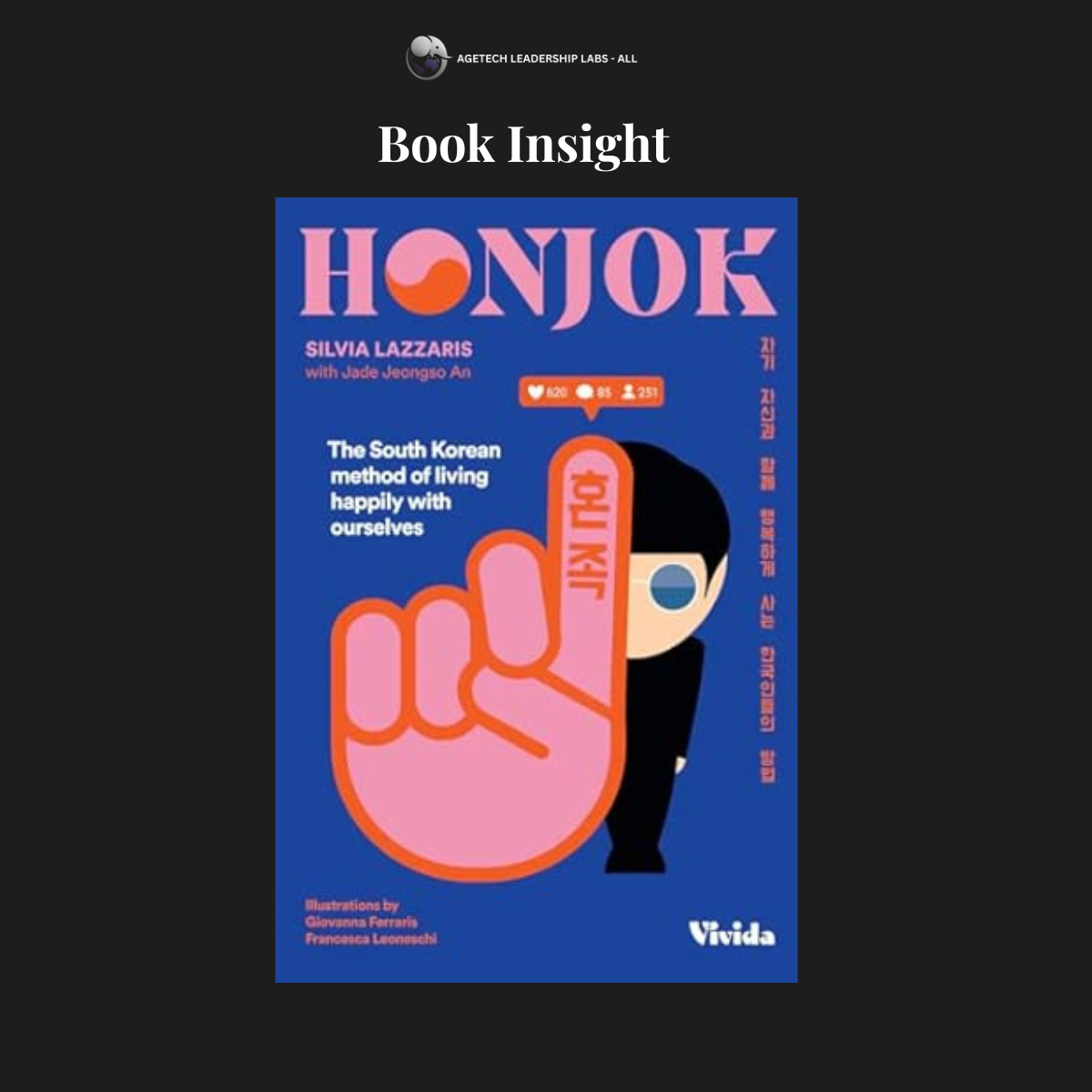
I didn’t first encounter South Korea’s demographic crisis in a policy paper or an economic forecast. I found it in a bookshop and in the book Honjok.
Silvia Lazzaris’s Honjok: The Art of Living Alone opened a window into a profound cultural and demographic shift. Honjok—a blend of hon (alone) and jok (tribe)—describes a lifestyle where young South Koreans choose solitude, eating, traveling, and socializing alone, not out of loneliness but purposeful independence. Yet, beneath this celebration of self-reliance lies a more troubling story—a society grappling with explosive aging and rapidly declining fertility.
From Pyramid to Funnel: The Demographic Shift

Six decades ago, South Korea’s population looked like a pyramid: women had six children on average, and life expectancy was only 55 years. Today, the pyramid has shifted into a funnel—fewer children, longer lives. By 2024, only 8% of Koreans are under 10, while nearly 39% are over 50.
The numbers are staggering: the population peaked at 52 million in the 1990s, and projections suggest it could shrink to 45 million by 2050—possibly down to 25-30 million by century’s end. This dramatic decline is driven by one of the world’s lowest fertility rates—just 0.72 children per woman in 2023—making Korean society one of the fastest aging and shrinking populations on earth.
The Growth Dividend—and Its Long Shadow

South Korea’s remarkable economic rise was fueled by policies that intentionally suppressed birthrates. Between the 1960s and 1980s, the government’s anti-natalist policies helped convert a high-fertility nation into one with a demographic dividend—an abundant workforce that powered explosive GDP growth. By the early 2000s, Korea’s GDP per capita had hit $33,000, rivaling Japan, and transforming industries from shipbuilding to electronics.
But the very policies that fostered growth now threaten to become a long-term debt. The shrinking population means fewer workers to support pensions and healthcare; the aging population will strain social systems and economic productivity.
Honjok as a Cultural and Market Signal
Amid demographic and economic shifts, a new cultural phenomenon is gaining momentum:Honjok—South Korea’s embrace of solitude. Today, nearly half of Seoul’s households are single-person, a rise from just 10% in the 1990s. This “hon-economy” includes solo cafes, restaurants, and services tailored for individuals.
For many, Honjok symbolizes liberation—freedom from traditional family pressures, gender roles, and societal expectations. For some, it’s pragmatic: high living costs, fierce job markets, and limited childcare mean living alone is the only feasible option.
But this trend masks potential long-term consequences. As the Honjok generation ages, their reliance on informal support networks and community care may weaken. The social fabric that historically has supported elders—families, close-knit communities—risks fraying further. Without deliberate intervention, lonely, isolated aging could become a crisis.
Policy versus Culture: The Limits of Incentives
The South Korean government has poured billions into pro-natalist policies—cash incentives, housing subsidies, extended parental leaves—aimed at reversing the fertility decline. But these measures have failed to move the needle. The fertility rate remains abysmally low, primarily because policies do not address deep-seated cultural shifts around family, gender, and independence.
Other nations—like France and Sweden—have managed to sustain higher fertility through comprehensive family-friendly policies and affordable childcare. Korea’s cultural landscape, however, has shifted beyond these measures. As Lazzaris describes, Honjok is more than a lifestyle; it’s a reflection of a society re-imagining happiness—favoring autonomy and personal fulfillment over traditional family ties.
The Long-Term View: Family as a Lifelong Support System
While the allure of Honjok is strong in youth, the long-term risks are real. The elderly living alone—especially if they do not have children or close kin—face rising risks of isolation, mental health issues, and lack of immediate support during illness or frailty. Social technologies can alleviate some issues, but can they substitute for genuine human connection and familial bonds?
Since traditional family structures are eroding, societies must carefully weigh the benefits of individual freedom against the need for ongoing social resilience and emotional support. Ignoring this balance could lead to increased health burdens, rising elder care costs, and social fragmentation.
A Cautionary Conclusion, Rise of Gen- E

South Korea’s demographic story is a warning and an inspiration. Honjok reveals a society comfortable with solitude, but it must also confront the danger of silent, lonely aging. The country’s challenge—like that of many others—is how to foster independence and preserve the social fabric that sustains us through life’s final chapters.
For the world, this is a lesson: longer life and the desire for autonomy are unstoppable trends. But they must be paired with a resilient social ecosystem—built intentionally, innovatively, and inclusively. The future of aging depends not only on prolonging lives but creating environments where individuals can live fulfilled, connected, and supported.
As we stand on the brink of a demographic transformation, South Korea’s experience offers vital insights—and urgent caution. The real dividend is not just a longer life, but a life well-lived, within communities that nurture, support, and connect.