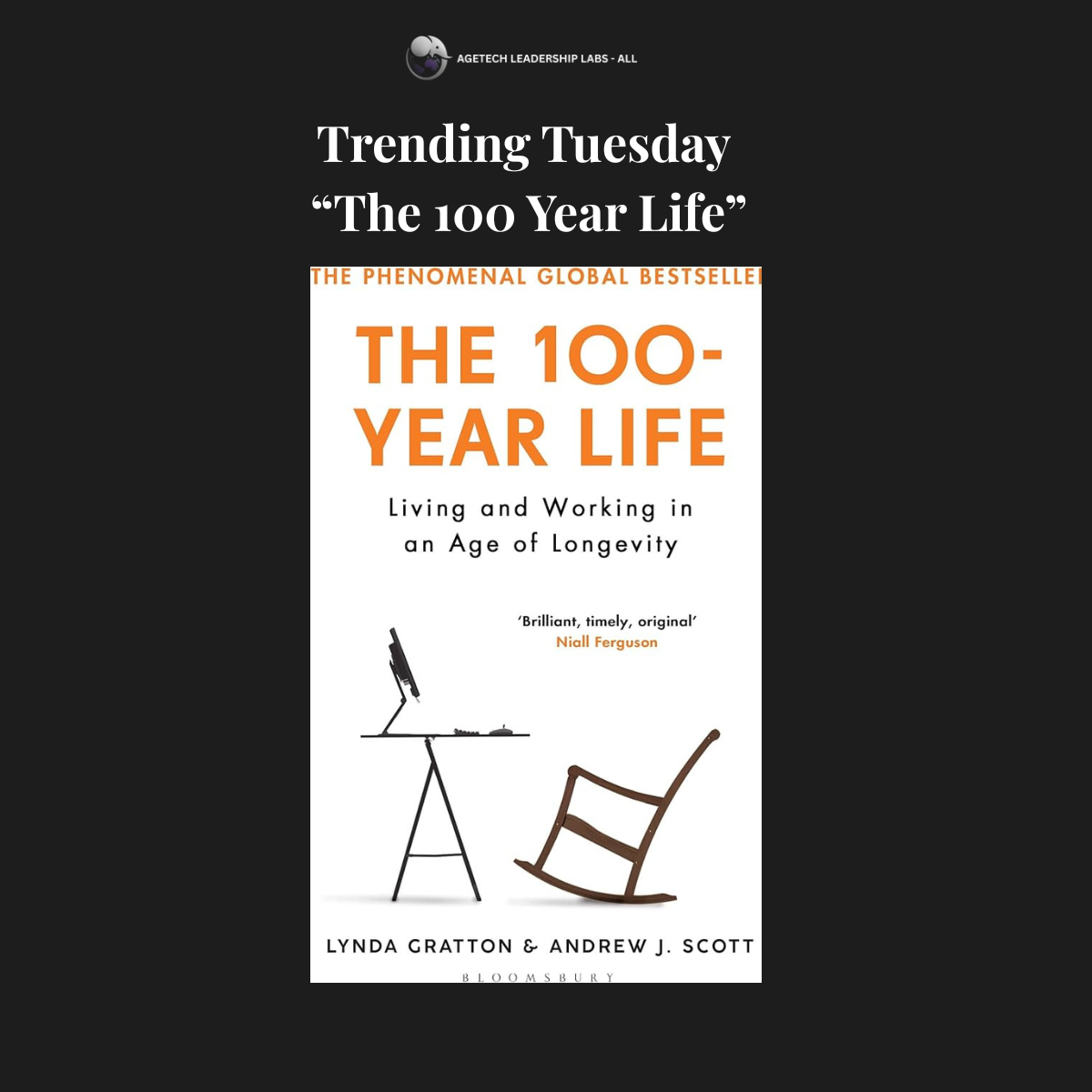
What does it mean to live, learn, and earn across a century-long life? The question sits at the center of a paradigm shift in how societies, businesses, and individuals approach aging. The influential book The 100-Year Life: Living and Working in an Age of Longevity by Lynda Gratton and Andrew J. Scott challenged conventional timelines and introduced a framework that now underpins contemporary policy, business strategy, and personal planning in the Longevity Economy. Since its publication in 2016, Gratton and Scott’s synthesis of human potential and economic evidence has helped millions re-imagine time as a strategic resource, not merely a budget to be stretched.
Why this book matters to the Longevity Economy?
The authors merge human insight with rigorous economics to argue that longevity is not a burden but a vast opportunity—provided there is deliberate planning, flexible institutions, and bold reinvention. The book’s influence extends beyond academia: it has shaped national conversations, inspiring initiatives that redesign education, welfare, and work to align with longer, more dynamic lifespans. In Japan, for example, gratitude for long life spurred a national blueprint for a 100-Year Life Society, catalyzing policy discussions on how education, employment, and social protection must evolve to keep pace with rising longevity.
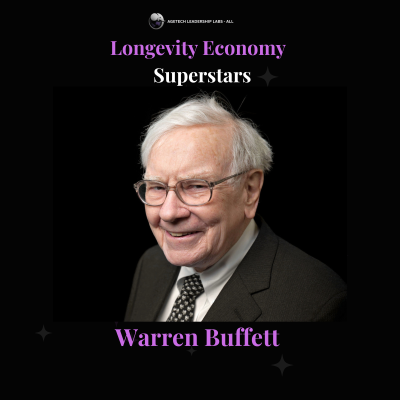
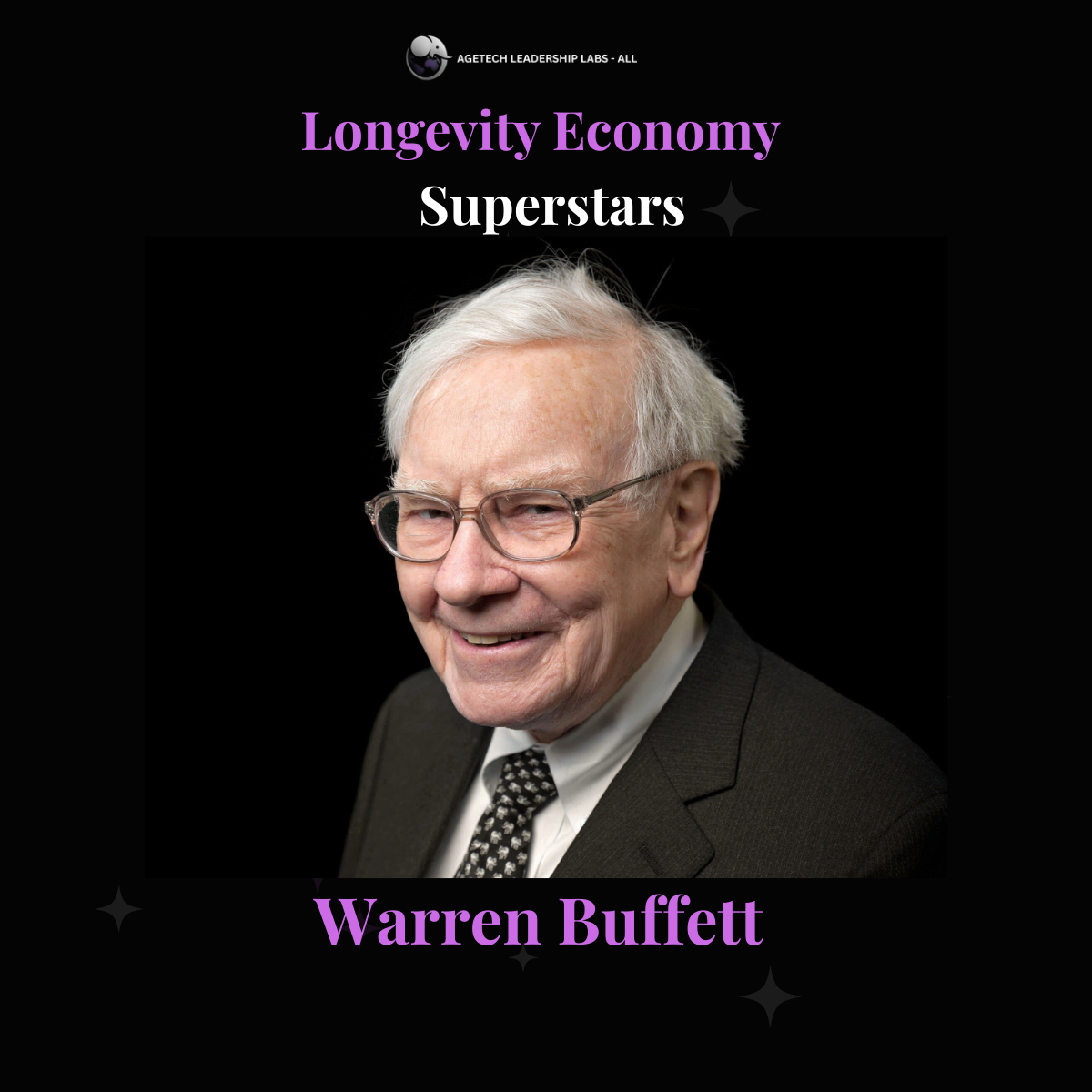
The idea has also resonated with business leaders and investors who recognize that aging populations are not just a demographic challenge but a market with expanded horizons for products, services, and innovative business models. And while Abe designed for the 100-Year Life, this Sunday’s superstar — Warren Buffett — shows us what it means to live it.
Before we meet the sage who embodied that design, here are ten timeless insights from Gratton and Scott’s visionary book — ideas that continue to shape how we live, work, and thrive in the Age of Longevity.
Top insights that continue to shape the Longevity Economy
-
The Three-Stage Life Is Over
Historically, life followed a straight line: education, work, retirement. Gratton and Scott show how longevity disrupts this trajectory. A century-long life demands ongoing transitions—learning, earning, pausing, and reorienting toward purpose. The future favors those who view life as a series of evolving seasons rather than a single race.
What this means today: individuals should plan portfolios of skills, experiences, and networks that can be refreshed repeatedly. Employers benefit from internal mobility—creating internal “career ecosystems” where people shift roles, take sabbaticals, or pursue new disciplines without losing momentum. Policymakers can support this through portable benefits, portable pensions, and access to lifelong learning credits.
-
The New Currency Is Time
Money remains essential, but time is the new currency. Longer lives create bigger time budgets but also demand wiser management. Time should be allocated with the same discipline used to deploy financial capital: health investments, ongoing education, and meaningful relationships yield compounding returns over decades.
Practical steps: adopt time budgeting alongside financial budgeting; allocate blocks for health maintenance, skill-building, and social connection; design work schedules and retirement ages that reflect personal tempo rather than a one-size-fits-all standard.
-
Reinvention Becomes a Core Skill
Identity no longer follows a single, linear arc. People will navigate multiple careers, reinvent interests, and repurpose capabilities across decades. Reinvention becomes a central competence—learning how to retool, rebrand, and re-enter the labor market with confidence rather than hesitation.
What to do: cultivate a modular set of transferable skills, maintain a personal learning plan, and embrace portfolio careers. Organizations can support reinvention through modular job designs, continuous training, and safe pathways for mid-life transitions.
-
Health Becomes an Investment, Not an Expense
Longer life hinges on a longer HealthSpan. Health is capital—an asset that compounds across time when protected by prevention, sleep, nutrition, and mental balance. In the Longevity Economy, well-being is a core productivity strategy, not a cost center.
Actionable habits: prioritize preventive care, genomics-informed wellness where appropriate, and workplace health programs that blend physical, mental, and social well-being. Policy implications include integrating healthspan metrics into employer incentives and public health planning.
-
Purpose Extends Productivity
PurposeSpan is the capacity to stay engaged through meaning, not mere obligation. A sense of purpose fuels persistence, creativity, and even longevity itself. People who align work and relationships with deeper meaning tend to sustain vitality longer.
Application: organizations should design roles and projects around purpose alignment, and individuals should seek opportunities that provide ongoing meaning—whether through mentoring, community impact, or creative pursuits.
-
Social Capital Is the Hidden Wealth
As lifespans lengthen, networks of trust, care, and collaboration become critical. Social capital compounds faster than financial capital and can be the decisive factor in resilience. Longevity without connection is unsustainable.
Strategies: invest in diverse, cross-generational networks; cultivate communities of practice; and design social infrastructures that preserve collaboration across life stages.
-
Education Must Last a Lifetime
Front-loading education in youth is no longer sufficient. Lifelong learning ecosystems are essential for upskilling, reskilling, and cross-skilling across an extended career horizon. Learning becomes a platform that keeps people relevant in a changing economy.
What to build: accessible online and offline learning hubs, employer-supported education credits, and public programs that incentivize continuous skill development across sectors.
-
Financial Resilience Replaces Retirement Security
Retirement as a fixed endpoint belongs to an industrial past. Financial systems should adapt to multi-chapter lives, with income, savings, and purpose fluctuating across decades. True wealth in the longevity era means financial agility and resilience, not a single finish line.
Implications for individuals: diversify income streams, design flexible retirement plans, and couple savings with flexible spending for health, care, and care-adjacent services.
-
Inequality Is the Longevity Divide
Longevity benefits are not shared equally. Access to healthcare, education, and adaptable work determines who truly thrives. Without inclusive policy and innovation, longevity could widen social disparities, creating a future where some live to 100 in comfort while others face precarity.
Policy and market responses: universal design for aging in the workplace, equitable access to lifelong education, and targeted social protections for vulnerable populations.
-
Narrative Flexibility Becomes Survival Strength
Emotionally and narrative agile living is essential. The 100-year life demands the ability to rewrite personal stories—embracing failure as a learning step, managing transitions, and renewing purpose across time.
How to cultivate this: Develop reflective practices, create personal “story gutters” to capture evolving goals, and normalize mid-career pivots as growth opportunities.
Why this matters for the Longevity Economy
The 100-Year Life remains a foundational reference for thinking about the longevity-enhanced economy—where lifespan, HealthSpan, WealthSpan, and PurposeSpan intersect to shape durable, resilient systems. Its influence permeates AgeTech leadership, pension reform debates, and corporate strategy. The Four Spans framework and related valuation tools, such as MTS (Markers, Trackers, Stackers), translate Gratton and Scott’s concepts into practical infrastructure for policy design, product development, and investment theses.
Nitin Jasiwal
Founder: AgeTech Leadership Labs